Standing on the Shoulders of Giants to Secure the Internet Together
By Apoorva Deshpande
Vittorio Bertocci Award Recipient, 2025
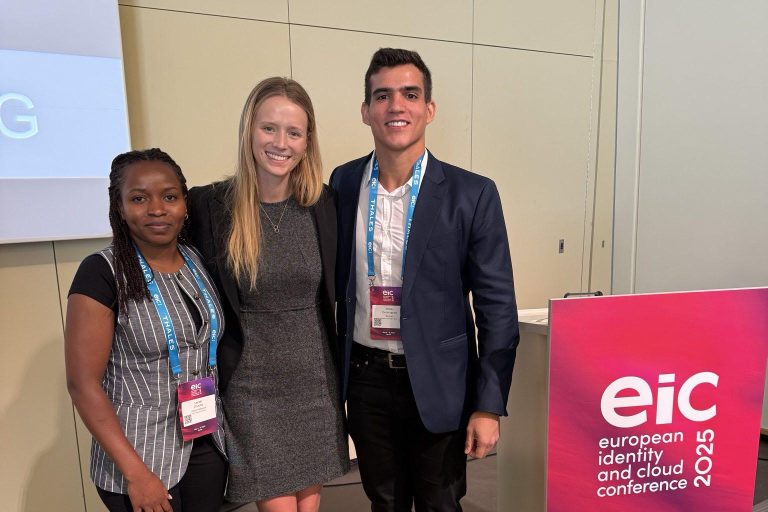
When I was honored with the Vittorio Bertocci Award in 2025, the overriding emotion wasn’t pride, it was a profound sense of scale. Anyone who knew Vittorio, or was touched by his work, remembers that he didn’t just build identity technology; he built the global community that powers it. He possessed a rare, infectious energy that could bridge the gap between complex engineering and human connection.
If I am being completely honest, my own contributions to this field may not even amount to 0.001% of the immense legacy Vittorio left behind. He laid the foundational highway of modern identity; the rest of us are just trying to keep the lanes clear.
But that is precisely why receiving an award in his name is so humbling. It isn’t a crown; it is a permanent assignment. It’s a reminder that we are all standing on the shoulders of a giant, tasked with carrying his torch forward to leave the internet just a little bit safer than we found it.
And the only way to do that is to embrace his core philosophy: Nobody secures the world alone.
The Interoperability Trap: When Good Specs Fail
There is a fundamental truth we don’t talk about enough in identity standards: interoperability is incredibly hard.
You can sit down and draft a technically brilliant, beautifully written specification. But if that spec is loaded with a bunch of conditional logic and endless “optionality” to appease every single stakeholder in the room, it completely defeats its own purpose. When everything is optional, everyone implements it differently. You end up with a fragmented ecosystem where two products claim to support the exact same standard, yet they still can’t talk to each other.
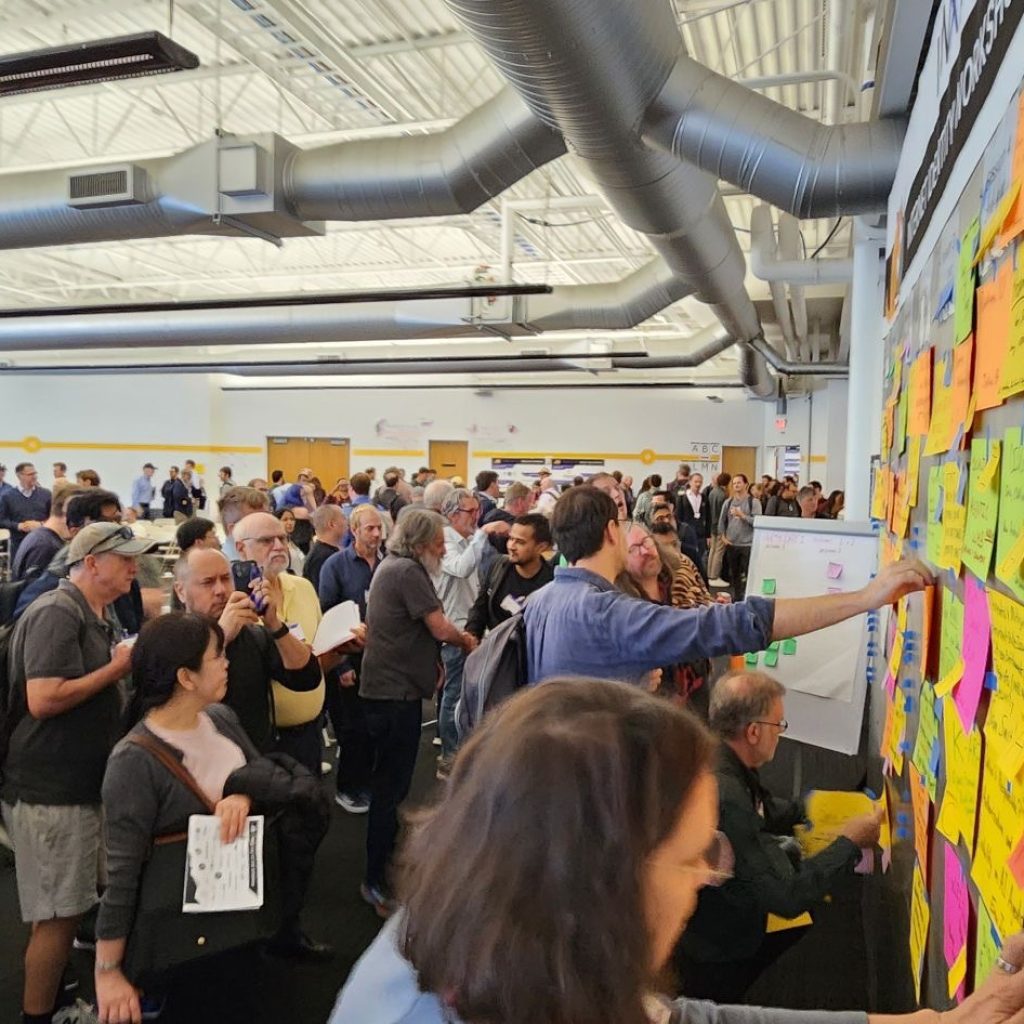
True interoperability doesn’t happen on paper. It happens when engineers from competing organizations actively work together to find common ground. It requires us to check our corporate biases at the door and align on prescriptive, practical profiles—agreeing on what must be done, rather than what could be done.
The Quiet, Crucial Work of Global Trust
Securing the world “together” means sitting in those working group rooms (or zooms) and navigating those exact friction points. It means doing the patient, iterative work of aligning different ecosystems; whether that’s refining signal-sharing frameworks or ensuring that global token revocation can happen seamlessly across disparate architectures.
It is a game of patience, consensus, and shared vision. We chip away at these massive structural problems line by line, profile by profile. My 0.001% combines with your 0.001%, and together, we build something that actually works in production.
Why the “Identity Fabric” Demands Collaboration
Attackers don’t care about vendor boundaries. They don’t stop at the edge of an organization’s network, and they certainly don’t respect the silos between different SaaS platforms. They look for the gaps between our systems—the moments where context is lost, or where a compromised session in one ecosystem fails to signal a threat to another.
To close these gaps, we have to treat identity as a collective defense network.
By building and adopting highly interoperable open frameworks like the OpenID Shared Signals Framework (SSF) and Continuous Access Evaluation Profile (CAEP), we are constructing a living, breathing internet fabric. We are moving away from isolated gatekeeping and toward a future where a threat detected by one system instantly hardens the defenses of the entire ecosystem.
That requires us to look past individual corporate roadmaps and focus on the collective whole. It’s exactly the kind of big-picture, community-driven architecture that Vittorio championed.
A Call to Action
Vittorio was a passionate educator. He believed in opening doors, demystifying the complex, and bringing fresh voices into the fold.
If we are truly going to secure the world together, we need to scale our collaborative efforts. My challenge to engineering leaders and architects alike is simple: Don’t just implement standards, help author and refine them. Bring your real-world deployment scars, your edge cases, and your unique perspectives to open standards bodies. Help us strip away the useless optionality and build frameworks that genuinely interoperate.
The work we do in these open spaces forms the literal foundation of global digital trust. No single contribution has to rival the giants who came before us; we just need to commit to adding our piece to the fabric. Let’s continue to build it together, with the same passion, rigor, and community spirit that Vittorio taught us to bring every single day.
Apply for the 2026 Vittorio Bertocci award today! (or at least before July 31)